
“Building Resilience After Conflict: IHA Strengthens Child Protection and MHPSS Support in Abiemnom County after March 2026 attack”
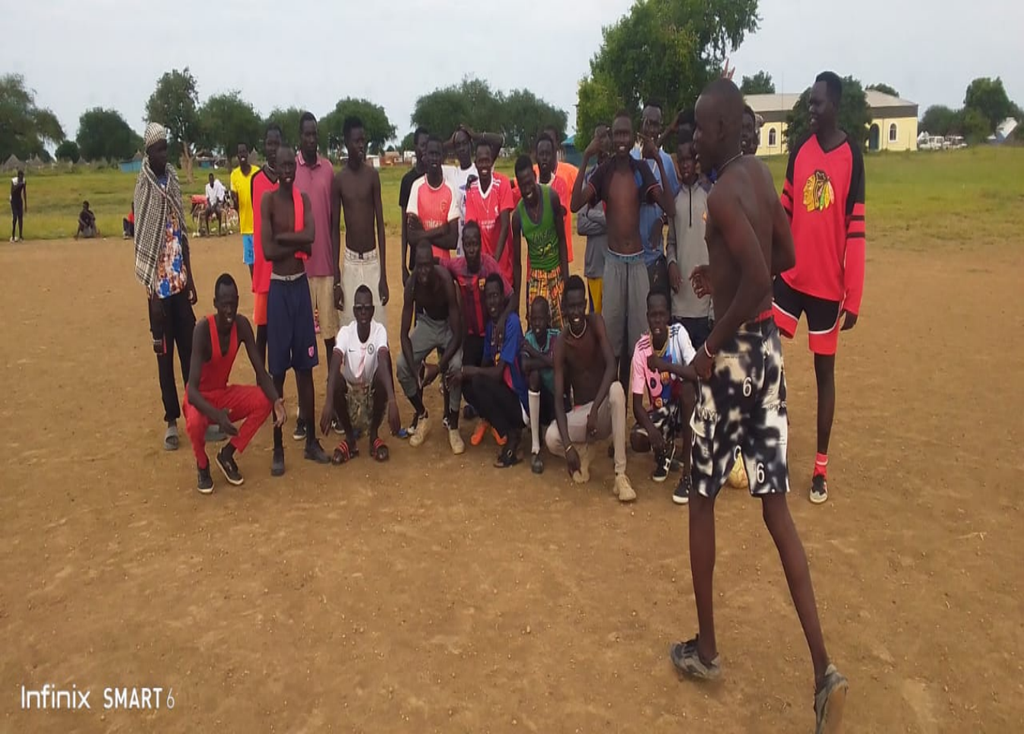
In Abiemnom County, the impact of the conflict that erupted in March 2026 continues to be felt by children, families, and communities. Although communities have begun the difficult process of rebuilding their lives, many families remain displaced, with some living in internally displaced persons (IDP) sites across Abyei Region and Warrap State. For children and caregivers who experienced violence, loss, displacement, and separation from their homes and livelihoods, the crisis has left emotional and psychosocial impacts that cannot be addressed through physical recovery alone.
Recognizing these ongoing needs, Integrated Humanitarian Aid (IHA) continued providing Child Protection and Mental Health and Psychosocial Support (MHPSS) services to vulnerable children, caregivers, families, and communities in Abiemnom County. Working in a challenging and uncertain operating environment, IHA focused on ensuring that people affected by the conflict had access to safe and supportive spaces where they could express their concerns, share their experiences, receive psychosocial support, and begin rebuilding their confidence and resilience.
For many conflict-affected children, the consequences of displacement extend far beyond the loss of a home or interruption of education. Children may experience fear, sadness, anxiety, confusion, grief, and uncertainty about what the future holds. Caregivers and families are also coping with their own experiences of loss and displacement while trying to provide emotional and physical support to their children. Without appropriate support, prolonged exposure to these challenges can affect children’s emotional wellbeing, relationships, school participation, and overall development.
IHA’s MHPSS interventions therefore provide an important layer of support alongside broader humanitarian assistance. Through community-based psychosocial activities, children and adults are encouraged to talk about their experiences in safe environments, understand common emotional and behavioural reactions to distress, and identify positive ways of coping with difficult situations. These activities help reduce isolation and encourage individuals and families to recognize that seeking psychosocial support is an important part of recovery rather than a sign of weakness.
Particular attention is given to children because of their increased vulnerability during and after emergencies. Conflict and displacement can expose children to multiple protection risks, including family separation, neglect, violence, exploitation, early marriage, and interruption of education. Integrating Child Protection with MHPSS allows IHA to respond to these interconnected needs and create safer environments where children can be listened to, supported, and connected to appropriate protection services when concerns are identified.
Community engagement is also central to IHA’s approach. Communities are supported to better understand how conflict and displacement can affect emotional wellbeing and how families can provide supportive environments for children experiencing distress. Caregivers are encouraged to listen to children, provide reassurance, maintain positive relationships, and seek additional assistance when a child or family member requires specialized support. This community-based approach helps strengthen local support systems and promotes resilience at household and community levels.
For families who remain displaced, psychosocial support is particularly important. Living away from home for extended periods can create uncertainty and stress, particularly when families do not know when they will be able to return or rebuild their lives. By maintaining access to MHPSS services, IHA helps affected individuals manage the emotional consequences of displacement while strengthening their ability to cope with continuing challenges.
The work in Abiemnom demonstrates that recovery from conflict is not only about rebuilding homes, infrastructure, and livelihoods—it is also about restoring people’s sense of safety, dignity, confidence, and hope. Children need opportunities to recover from distress and reconnect with supportive adults and peers, while caregivers need the knowledge and support to help their children navigate the consequences of crisis.
IHA remains committed to placing children and affected families at the centre of its humanitarian response. Through the integration of Child Protection and MHPSS, IHA is helping ensure that vulnerable children are not left to cope with the consequences of conflict alone. The approach recognizes that protection, emotional wellbeing, family support, and community resilience are closely connected and must be addressed together.
As communities in Abiemnom continue their recovery from the March 2026 conflict, sustained investment in Child Protection and MHPSS remains essential. Continued support will enable IHA and its partners to reach vulnerable children and families, strengthen community-based protection mechanisms, promote positive coping strategies, and ensure that those affected by conflict have access to the support they need to rebuild their lives.
In Abiemnom, healing is a journey. Through Child Protection and MHPSS support, IHA is walking alongside children, families, and communities as they move from the pain of conflict towards recovery, resilience, and renewed hope.