
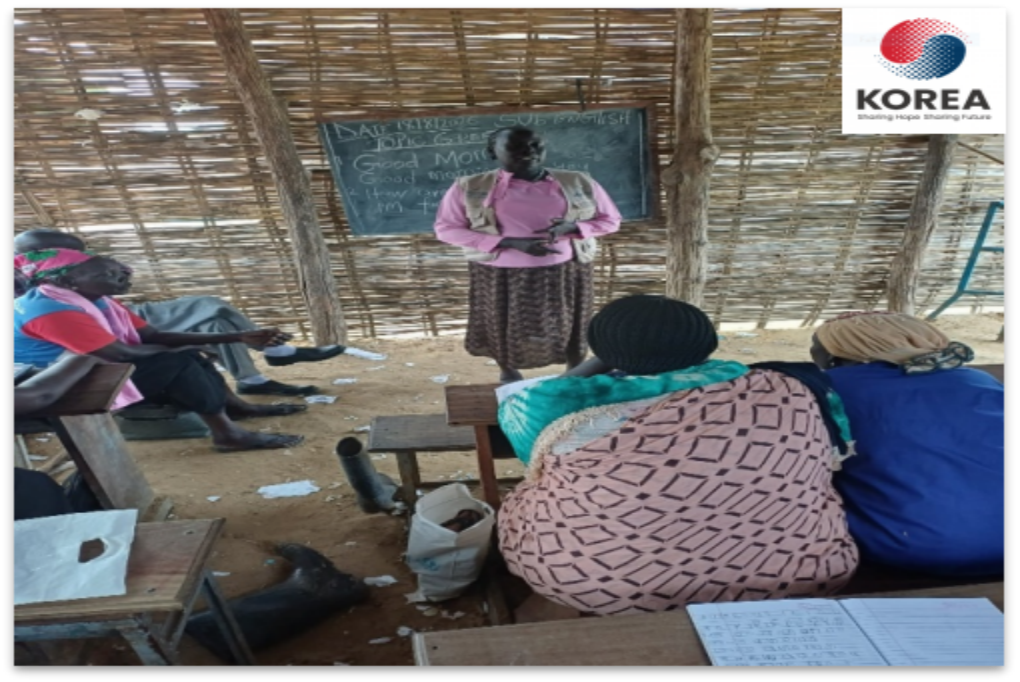
For children and young people living in crisis-affected communities, returning to school is about much more than sitting in a classroom and learning to read, write, and calculate. Many learners entering Alternative Learning Programmes (ALP) have experienced conflict, displacement, family separation, early marriage, teenage pregnancy, loss of loved ones, violence, bullying, poverty, and other experiences that can deeply affect their emotional wellbeing and ability to learn. For this reason, education in emergencies cannot be separated from child protection. A safe learning environment must protect children from harm while also providing the emotional and social support they need to participate, recover, and thrive.
Recognizing this reality, Integrated Humanitarian Aid (IHA) continues to integrate Child Protection and Psychosocial Support (PSS) into its ALP education activities in Abyei. In August 2026, IHA conducted PSS sessions at Abyei Girls ALP Centre, Abyei Boys ALP Centre, and Mulmul ALP Centre, creating opportunities for learners, teachers, parents, caregivers, and community members to discuss issues affecting children’s safety, wellbeing, and participation in education. The sessions addressed important topics including gender-based violence, conflict resolution, bullying, early marriage and its consequences, personal hygiene, and positive coping mechanisms.
Integrating child protection into ALP is particularly important because many ALP learners have already experienced interruptions to their education as a result of crisis and vulnerability. Some learners are older than children in conventional primary schools, while others have returned to education after years away from the classroom. Their experiences require teachers and education programmes to look beyond academic performance and understand the protection and psychosocial challenges that may influence their attendance, behaviour, concentration, and ability to learn.
A child who is experiencing violence at home, facing bullying at school, recovering from displacement, or struggling with the consequences of early marriage may find it difficult to concentrate on lessons. Similarly, learners experiencing fear, stress, grief, or social exclusion may withdraw from classroom participation. By integrating PSS and child protection into education, ALP centres can become spaces where learners are not only taught but also listened to, supported, respected, and protected.
Child protection therefore becomes a foundation for effective learning. When learners feel safe, they are more likely to attend school regularly, participate in classroom activities, communicate with teachers and peers, and develop confidence. When teachers are equipped to identify protection concerns and respond appropriately, they can help prevent harmful situations from escalating and connect vulnerable learners with appropriate support and referral services.
IHA’s approach also recognizes that protection is not the responsibility of teachers alone. Parents, caregivers, PTAs, community leaders, and learners themselves all have important roles to play in creating protective environments. PSS sessions provide an opportunity to bring these different actors together and encourage open conversations about issues that are often difficult to discuss. Through dialogue and awareness, communities can better understand the risks facing children and identify practical ways of preventing violence, bullying, harmful practices, and other forms of abuse.
The focus on gender-based violence and early marriage is particularly important in communities affected by conflict and displacement. Girls can face increased risks of violence, exploitation, early marriage, and dropping out of school. When these issues are discussed within education programmes, learners and community members can better understand their consequences and the importance of keeping girls in school. Education can provide girls with knowledge, confidence, skills, and opportunities to make informed decisions about their futures, while protective systems help ensure that they can access those opportunities safely.
Similarly, addressing bullying and conflict resolution within ALP centres contributes to a more positive classroom environment. Learners come from different backgrounds and may have experienced different forms of displacement and adversity. Teaching peaceful communication, respect, empathy, and constructive conflict resolution helps reduce violence among peers and strengthens relationships within the learning environment. These skills extend beyond the classroom, helping learners develop positive ways of responding to disagreements within their families and communities.
The integration of positive coping mechanisms is equally important. Children and young people affected by crisis may carry emotional burdens that are not immediately visible. PSS sessions provide a safe opportunity for learners to understand their emotions, share concerns, develop healthy coping strategies, and know when and where to seek help. Such support can strengthen resilience and enable learners to remain engaged with education even when they continue to face difficult circumstances outside the classroom.
IHA also places emphasis on inclusive protection, ensuring that children and young people with disabilities are not excluded from education or protection services. Disability can increase exposure to protection risks when learners face stigma, discrimination, communication barriers, or limited access to support. Integrating disability inclusion into ALP and child protection programming helps ensure that every learner can participate safely and meaningfully, regardless of their abilities.
The experience of IHA’s ALP programme demonstrates that education and protection must work together. Providing a classroom without addressing the risks and challenges children face outside and within the learning environment is not enough. Likewise, protection interventions become more sustainable when they are connected to systems that give children opportunities to learn, develop skills, build relationships, and envision a better future.
For IHA, integrating Child Protection and PSS into ALP is therefore not an additional activity alongside education—it is an essential part of delivering safe, inclusive, and quality education in emergencies. Every lesson becomes an opportunity to strengthen children’s confidence and resilience, while every protection discussion helps create an environment in which learners can participate without fear.
As conflict, displacement, and other emergencies continue to affect communities in Abyei, flexible education pathways such as ALP remain critical. However, these pathways must be accompanied by strong protection mechanisms that respond to the realities learners face. IHA will continue working with teachers, learners, parents, PTAs, communities, and humanitarian partners to strengthen child protection and psychosocial support within ALP centres.
Ultimately, a child cannot learn effectively when they do not feel safe, and education cannot be truly inclusive when protection needs are overlooked. By bringing education and child protection together, IHA is helping transform ALP centres into places where children and young people can learn, recover, develop resilience, and regain hope despite the challenges surrounding them.
Safe children learn better. Protected children can dream again. Through the integration of child protection and psychosocial support into ALP education, IHA is helping ensure that education in Abyei is not only accessible, but also safe, inclusive, protective, and meaningful.
END