
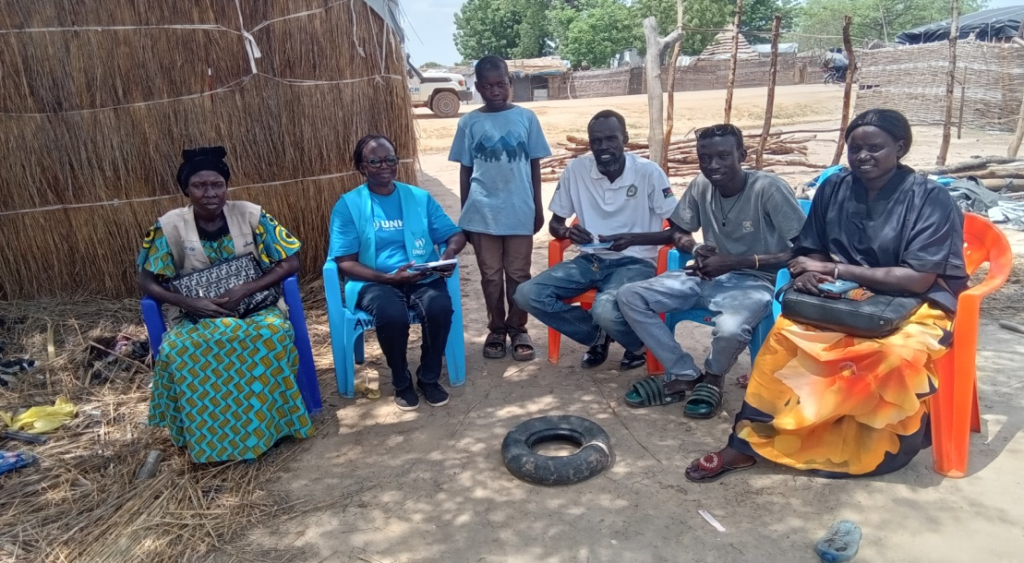
With funding from UNICEF, Integrated Humanitarian Aid (IHA) has been implementing Family Tracing and Reunification (FTR) activities across Abyei and Ruweng, helping separated and unaccompanied children safely return to the care of their families and strengthening the protective environment around them.
Restoring Families, One Child at a Time
During the implementation period, IHA successfully reunited 40 separated and unaccompanied children with their primary caregivers, surpassing the project target of 30 children.
The children reunited included:
- 19 boys
- 21 girls
Through coordinated tracing efforts, children were successfully reunited with their families in several parts of South Sudan, including:
- Aweil
- Warrap
- Upper Nile
- Central Equatoria
Each reunification represented more than a return home—it marked the restoration of family bonds, safety, stability, and hope for children who had experienced separation due to displacement, conflict, and other humanitarian circumstances.
A Child-Centred Family Tracing Process
Family Tracing and Reunification is a carefully managed child protection intervention that prioritizes the best interests of every child. Before reunification takes place, IHA’s trained social workers and case workers conduct comprehensive assessments to verify family relationships, assess the safety of the proposed care arrangement, and ensure that reunification is appropriate and in the child’s best interests.
Working closely with government authorities, community leaders, humanitarian partners, and local child protection networks, IHA coordinated tracing efforts across multiple states to locate parents and primary caregivers.
Once caregivers were identified, social workers facilitated safe reunification while providing counselling and guidance to both children and caregivers to support a successful transition back into family care.
Supporting Children Beyond Reunification
Reunification is not the end of the process—it is the beginning of a child’s recovery and reintegration. Following reunification, IHA continued to monitor the wellbeing of children through regular follow-up visits to ensure that they remained safe, protected, and well cared for within their families.
Where necessary, families were linked to additional child protection and social support services to strengthen their capacity to care for reunited children and reduce the risk of future separation.
This follow-up process helps ensure that reunification is sustainable and that children’s protection needs continue to be addressed over time.
Working Across Communities and States
Successful family tracing often requires extensive coordination across communities and administrative boundaries. Throughout the programme, IHA worked closely with local authorities, community volunteers, humanitarian partners, and child protection actors to trace caregivers and facilitate safe reunifications across different regions of South Sudan.
The strong collaboration between communities and child protection stakeholders made it possible to reconnect children with their families despite the logistical and humanitarian challenges associated with long-distance tracing and movement.
Protecting Children’s Right to Family Care
Family-based care remains the most appropriate and protective environment for children whenever it is safe and possible. By supporting family tracing and reunification, IHA is helping children regain a sense of belonging, emotional security, and stability while reducing their exposure to protection risks associated with prolonged separation.
The programme also contributes to strengthening community-based child protection systems by promoting timely identification of separated children, coordinated case management, and effective referral pathways.
Looking Ahead
Despite the progress achieved, many children continue to become separated from their families due to conflict, displacement, migration, and other emergencies. Continued investment in child protection services is essential to ensure that every separated child can be identified, protected, and, where appropriate, safely reunited with their family.
With continued support from UNICEF, Integrated Humanitarian Aid remains committed to strengthening Family Tracing and Reunification services, enhancing case management, and working alongside government institutions and communities to ensure that every child has the opportunity to grow up in a safe, nurturing family environment.
Programme Highlights
- 40 separated and unaccompanied children safely reunited with their primary caregivers.
- 19 boys and 21 girls successfully returned to family care.
- Children were reunited with families in Aweil, Warrap, Upper Nile, and Central Equatoria.
- Comprehensive tracing, verification, reunification, and post-reunification follow-up were conducted by trained social workers and case workers.
- The programme exceeded its reunification target while prioritizing the safety and best interests of every child.
Every successful reunification is a reminder that even in humanitarian emergencies, families can be restored, children can regain a sense of security, and communities can play a vital role in protecting the most vulnerable. Through its partnership with UNICEF, Integrated Humanitarian Aid continues to help ensure that separated children are not only found—but safely reunited with the people who care for them most.